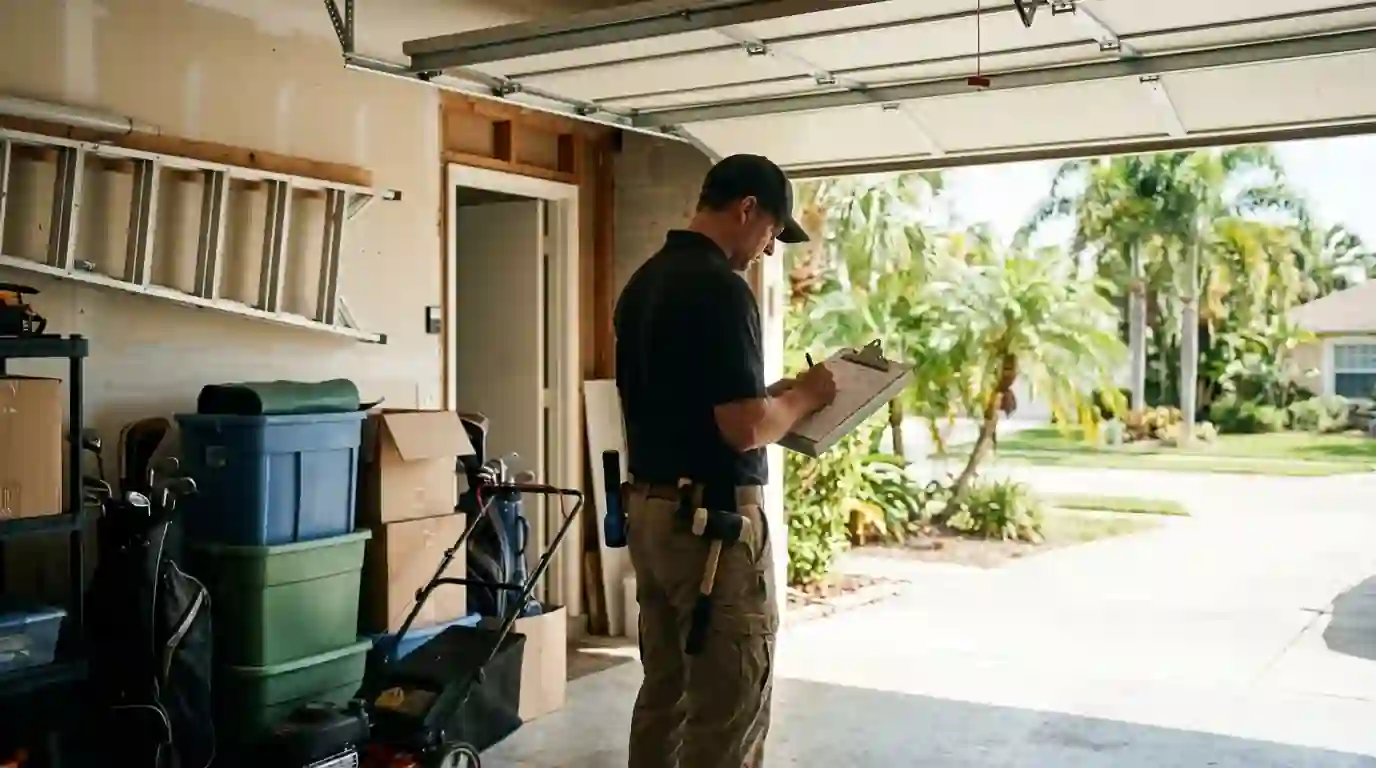
WDO inspection for real estate in Miami: what you are dealing with
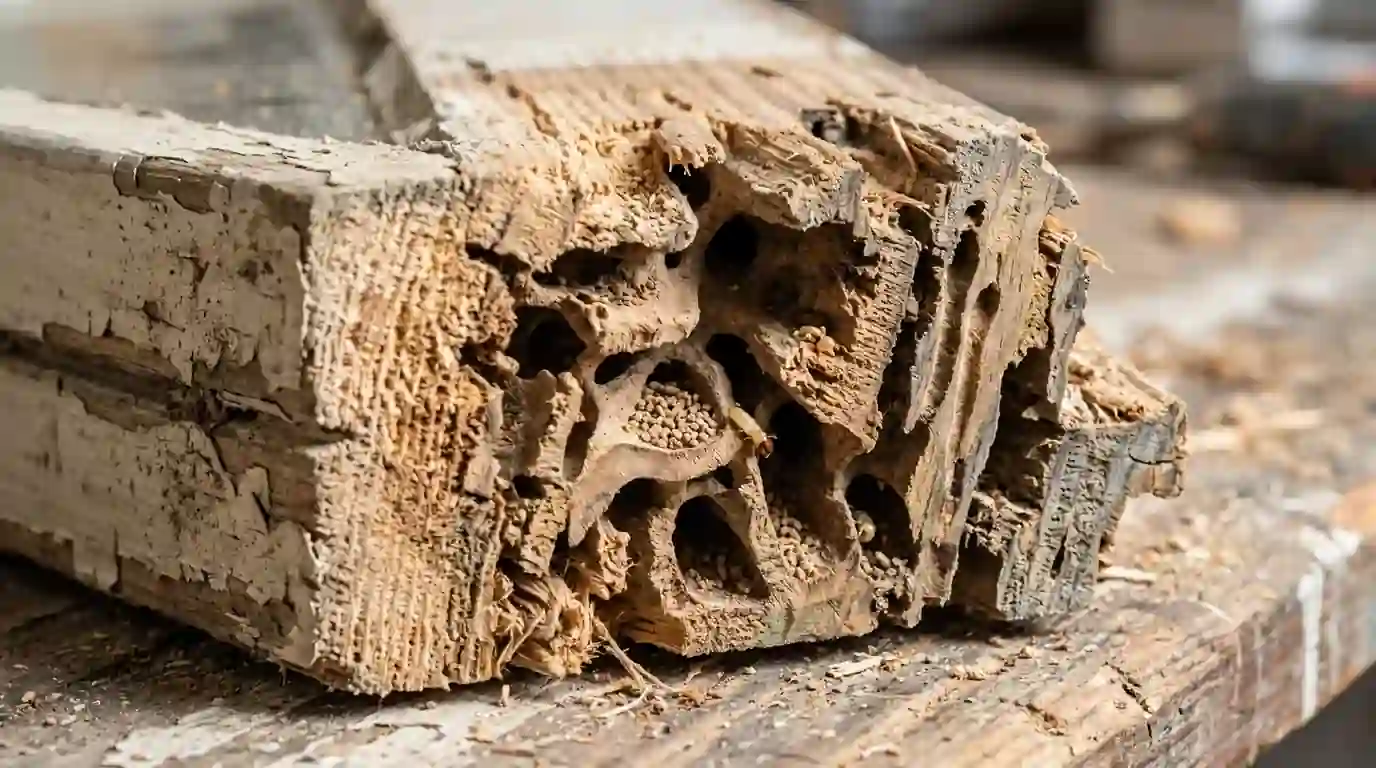
Florida real estate deals use a standard wood destroying organism report, and lenders on FHA and VA loans often require one before closing. The report records whether live termites, wood-decaying fungi or wood-boring beetles were seen, whether there is visible damage, and whether there is evidence of a previous treatment such as a tent sticker or drill marks in the slab.
We schedule around the inspection period in your contract, not the other way around. Buyers usually call during the first week after an accepted offer, and sellers sometimes order a pre-listing report so a surprise does not kill the deal halfway through.
Signs our technicians look for
A treatment notice in the garage or attic
Florida requires a posted notice after many termite treatments. Finding one tells the buyer the house has a history worth asking about.
Patched drill holes in the slab
Rows of small concrete patches along interior walls or the garage usually mean a past subterranean treatment.
Damaged trim that was painted over
Fresh paint on swollen or rippled baseboards is a common way older damage hides until a buyer's inspection.
Wood decay at the eaves
Fungal rot in fascia and soffit wood is a WDO finding too, and it is common on Miami homes with clogged gutters or roof leaks.
How we handle WDO inspection for real estate
- 01
Confirm the deadline
We ask for your contract's inspection period and closing date so the report lands in time.
- 02
Visual inspection
Accessible areas of the structure, attic and exterior are checked for live organisms, damage and treatment evidence.
- 03
Report on the state form
Findings recorded on Florida's WDO form with clear notes on any inaccessible areas.
- 04
Walk the buyer through it
If something is found, we explain what it means and what treatment would cost, so the negotiation has real numbers.
What changes in Miami-Dade and Broward homes
Miami-Dade's older housing stock produces a lot of WDO findings. Homes from the 1950s and 1960s in Westchester, Coral Way and North Miami often show evidence of a tent fumigation years ago, and that is normal; what matters is whether there is current activity or unrepaired damage.
Condo sales are different. Most associations treat the building, and the WDO report covers the unit and what is accessible. We note when an issue looks building-wide so the buyer can ask the association for its treatment records before closing.
Before and after the visit
- Unlock the garage, utility closets and attic access before the inspector arrives.
- Move stored items a few inches away from garage walls so the slab edge is visible.
- Share any termite warranty or treatment paperwork the seller has.
- Tell us the lender and loan type if a specific form version is requested.
What it typically costs
Questions about WDO inspection for real estate
Who usually pays for a WDO inspection in Florida?
The buyer typically orders and pays for it as part of their inspections, although some sellers order one before listing. Your contract and your agent decide that, not us.
How long is a WDO report good for?
Lenders commonly want a report dated within 30 days of closing. If your closing slips, ask us whether an update is needed.
What happens if the report shows live termites?
The report states what was seen. From there the buyer and seller negotiate treatment. We can quote tenting or local treatment the same day so the conversation uses real numbers.
Does a WDO inspection include hidden areas inside walls?
No. It is a visual inspection of readily accessible areas. Anything we could not reach, such as a sealed attic or finished walls, is listed as inaccessible on the report.
Where we do this work
Our technicians handle WDO inspection for real estate across Miami-Dade, Broward and Boca Raton. A few of the places we work most: