Rodent control in Miami: what you are dealing with
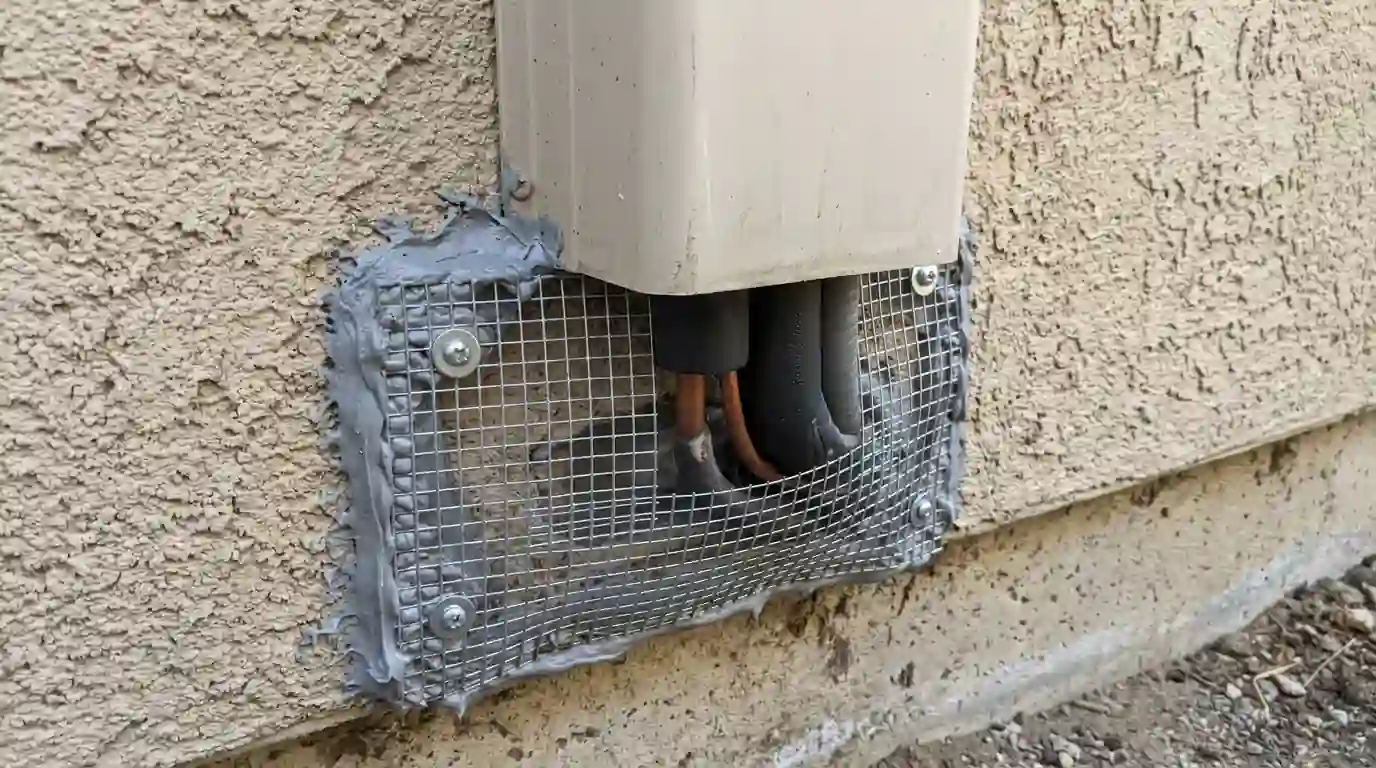
Miami has roof rats, Norway rats and house mice, and each one gets in differently. Roof rats climb and come in high, through roof gaps, soffits and AC line chases. Norway rats burrow and come in low, around slabs, sewer lines and garage doors. Mice squeeze through openings the size of a pencil anywhere.
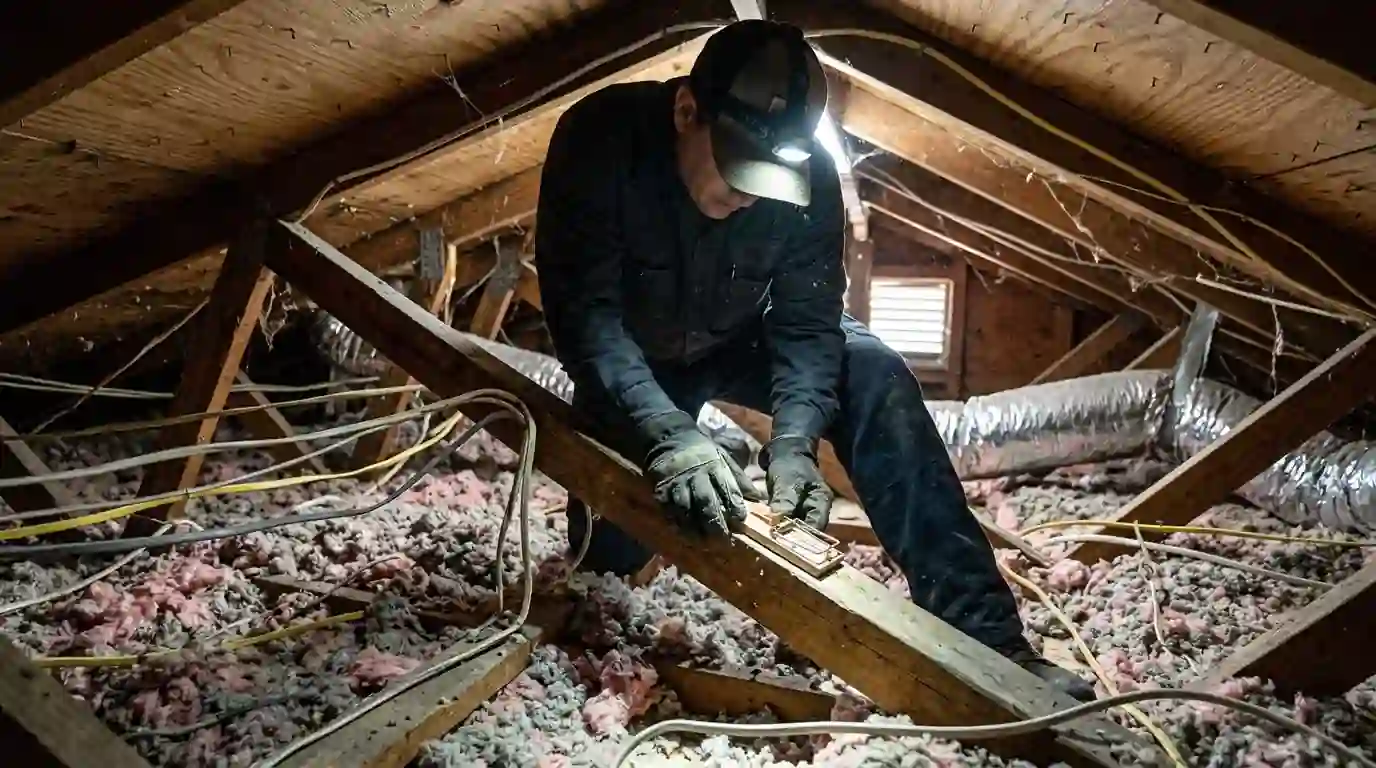
We start with a full inspection inside and out, place snap traps where rodents travel indoors, set locked bait stations outside, and either seal entry points on the spot or quote a full exclusion job. Follow-up visits check traps, remove catches and confirm activity has stopped.
Signs our technicians look for
Droppings in cabinets or the garage
Rice-sized pellets for mice, larger capsule-shaped pellets for rats.
Scratching in the ceiling at night
Roof rats are most active after dark and travel along attic framing.
Gnawed food packaging or wires
Chewed corners on boxes, fruit bitten on the counter or gnawed cables.
Grease marks along walls
Dark smudges where rodents brush against walls and beams on their routes.
How we handle rodent control
- 01
Inspect inside and out
Roofline, attic, garage, utility penetrations and landscaping checked for entry and activity.
- 02
Trap indoors
Snap traps placed along travel routes in the attic, garage and kitchen.
- 03
Station outdoors
Tamper-resistant locked bait stations around the exterior where allowed.
- 04
Seal and follow up
Entry points sealed or quoted, traps checked and removed until activity stops.
What changes in Miami-Dade and Broward homes
Fruit trees and palms make Miami yards rat-friendly. Mango and avocado trees in Shenandoah, Silver Bluff and the Upper East Side feed roof rats all summer, and the dense crowns of royal and coconut palms are classic nesting spots. Overgrown hedges along canals give Norway rats cover too.
In condos and apartments, rodents use trash rooms, loading docks and plumbing chases. We handle the unit and work with management on building-wide stations and sealing.
Before and after the visit
- Store food, including pet food and birdseed, in sealed containers.
- Pick up fallen fruit from mango, avocado and citrus trees.
- Clear stored boxes from the attic hatch and garage walls.
- Keep pets and kids away from trap areas we mark.
What it typically costs
Questions about rodent control
Why do you use traps inside instead of poison?
Bait inside can lead to rodents dying in walls and causing odor. Traps let us remove them and confirm progress.
How many visits will it take?
Most homes need two to four visits over a few weeks, depending on the population and how quickly gaps are sealed.
Are outdoor bait stations safe for pets?
We use locked, tamper-resistant stations anchored in place, designed to keep children and pets out.
Will rats come back after the job?
If the entry points are sealed and food sources are controlled, they rarely do. Unsealed gaps are the main reason rodents return.
Where we do this work
Our technicians handle rodent control across Miami-Dade, Broward and Boca Raton. A few of the places we work most: