Formosan and Asian termite control in Miami: what you are dealing with
These two species behave like subterranean termites on steroids. Colonies can number in the millions, they forage widely, and if a roof leak, a sweating AC line or a plumbing drip keeps part of a wall wet, they can set up an above-ground nest made of chewed wood, soil and saliva called carton. At that point the colony no longer needs the soil, and a soil treatment alone will not finish it.
Our approach is to find the moisture source and the carton if there is one, treat the soil around the house, inject the wall void or roof area holding the nest, and recommend bait stations for long-term pressure from colonies in the neighborhood. We also tell you what to fix, because a nest will come back if the wall stays wet.
Signs our technicians look for
Large swarms at dusk in spring
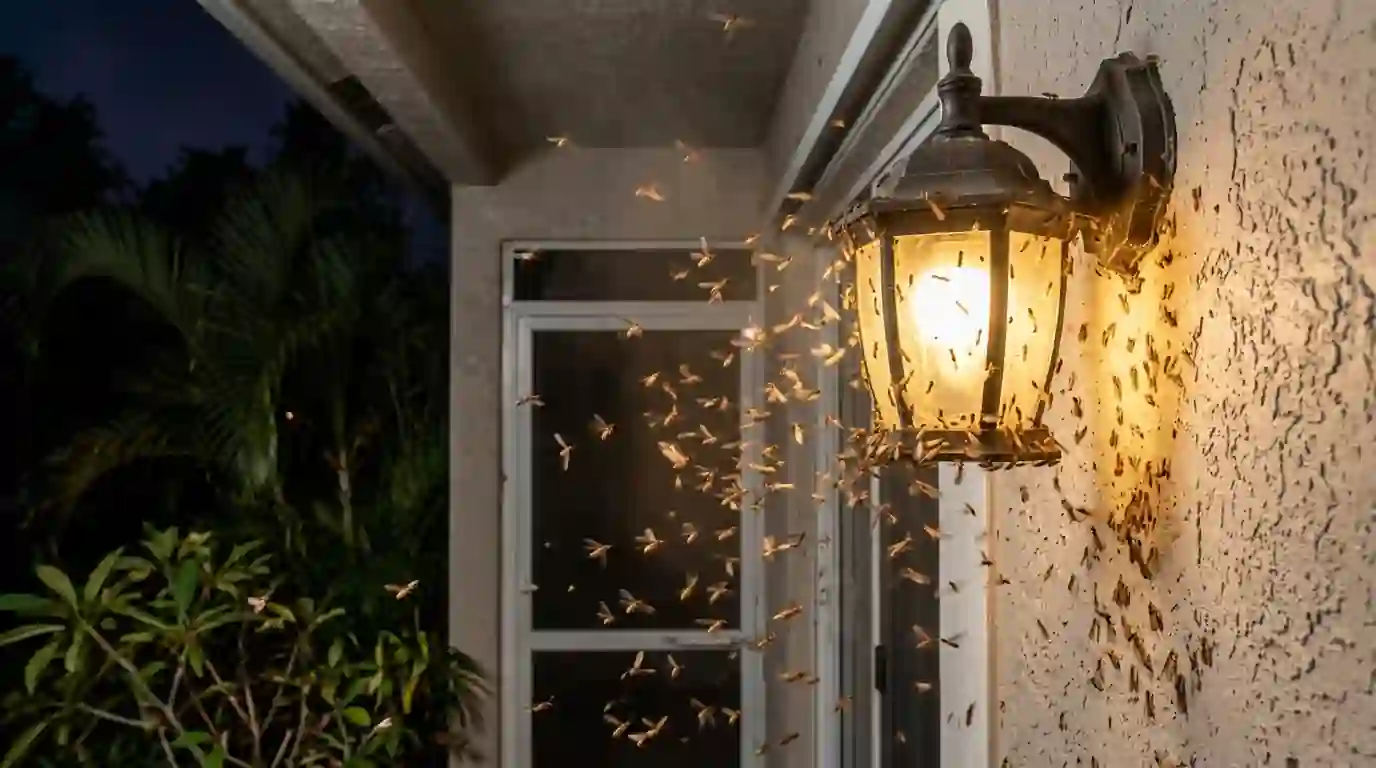
Clouds of swarmers around porch lights on warm, humid evenings, often after rain, are typical of these species.
Carton material in a wall or ceiling
A spongy, brown, layered material behind drywall or in the attic is a nest, not just damage.
Damage near a long-running leak
Termite damage clustered around a stained ceiling, a sweating AC handler or a slow plumbing drip.
Swarmers from trees in the yard
Hollow trees and stumps can hold colonies that send foragers toward the house.
How we handle Formosan and Asian termite control
- 01
Confirm the species
Swarmers and soldiers are identified so the plan fits the termite, not a guess.
- 02
Locate moisture and nests
Moisture meter and inspection around leaks, AC lines and roof penetrations to find carton.
- 03
Treat soil and the nest
Exterior soil treatment plus direct injection into the wall void or roof area holding the colony.
- 04
Bait for the long haul
In-ground bait stations around the house to intercept new colonies foraging from nearby yards.
What changes in Miami-Dade and Broward homes
South Florida is one of the few places in the country where both Formosan and Asian subterranean termites are established, and Miami-Dade and Broward neighborhoods with mature trees and older homes see the most pressure. Spring swarm season brings a wave of calls from Coconut Grove, Coral Gables, Hollywood and Fort Lauderdale when swarmers pour out at dusk.
Condo and apartment buildings are not immune. We have found carton inside walls where a balcony door leaked for years. In shared buildings, treatment usually needs the association's involvement, and we provide documentation that makes that conversation easier.
Before and after the visit
- Note where and when you saw swarmers; dusk swarms near lights are a strong clue.
- Keep a few swarmers in a sealed bag or jar so we can identify them.
- Have recent roof, plumbing or AC repair history ready.
- Clear access to the attic and to walls with water stains.
What it typically costs
Questions about Formosan and Asian termite control
Are Formosan termites worse than native subterranean termites?
Their colonies are far larger and they can damage wood faster, and they can nest above ground where there is constant moisture. The fundamentals of treatment are similar, but the plan has to account for those habits.
Will tenting kill a Formosan nest in my wall?
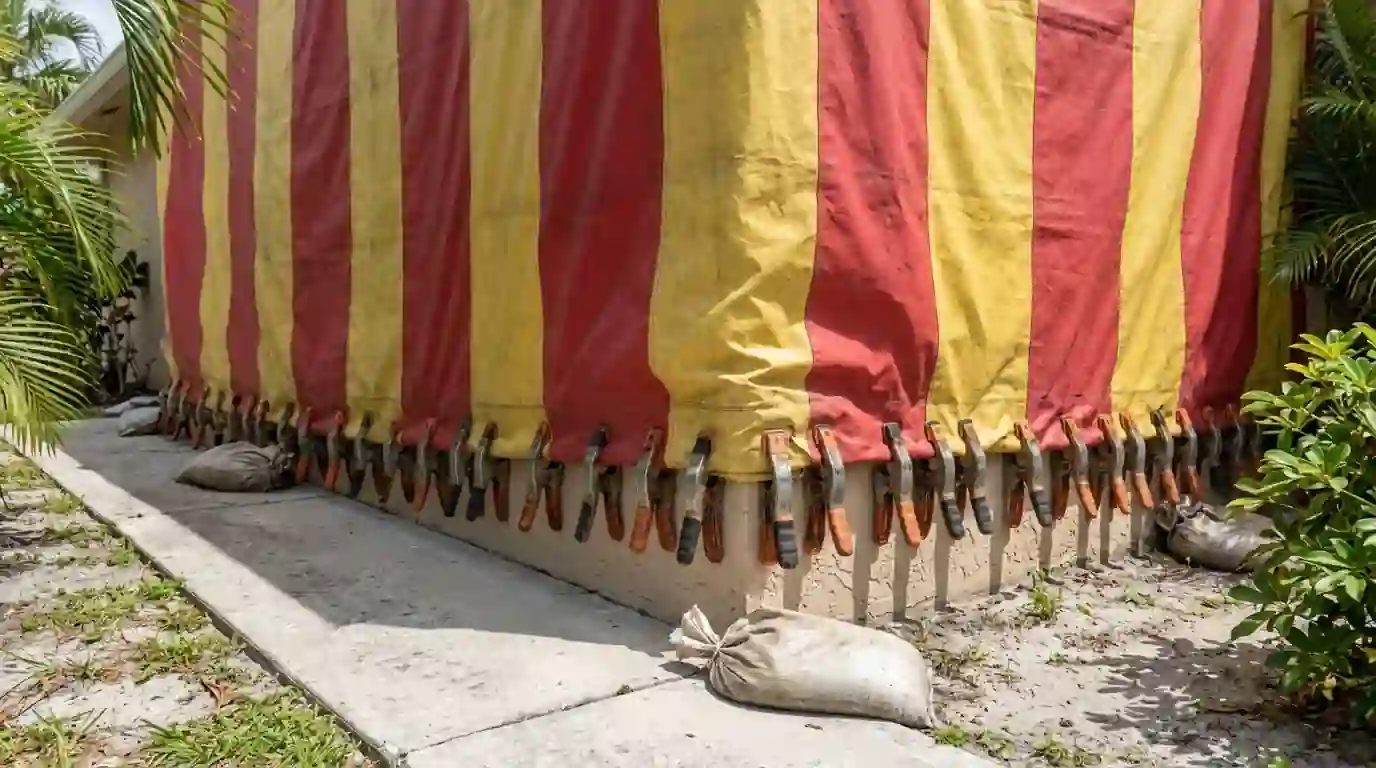
Fumigation can kill termites inside the structure at the time, but it leaves no residual protection, and the soil colony and neighboring colonies are untouched. Soil and bait work are still needed.
When is swarm season in Miami?
Asian subterranean termites tend to swarm in late winter into spring, and Formosan termites in spring into early summer, mostly at dusk after warm, humid days.
Do I have to fix the leak first?
Fixing it as soon as possible is important. We can treat before the repair, but if the wall stays wet, the risk of a new nest stays high.
Where we do this work
Our technicians handle Formosan and Asian termite control across Miami-Dade, Broward and Boca Raton. A few of the places we work most: