Subterranean termite treatment in Miami: what you are dealing with
Unlike drywood termites, subterranean termites live in the ground and need moisture, so they build mud tubes to reach the wood in your house. In a slab home that usually means cracks in the slab, expansion joints, the gaps around plumbing penetrations and the strip where stucco meets soil. Tenting does nothing to them because the colony is outside the tarps.
We trench and treat the soil along the outside of the foundation, drill and inject through patios, driveways and garage slabs that sit against the house, and treat inside along interior plumbing or joints where activity was found. The product we use is non-repellent, which means termites do not sense it and keep foraging through the treated soil.
Signs our technicians look for
Mud tubes up the stucco or slab edge
The clearest sign. Tubes often hide behind shrubs, under pavers or inside the garage along the wall.
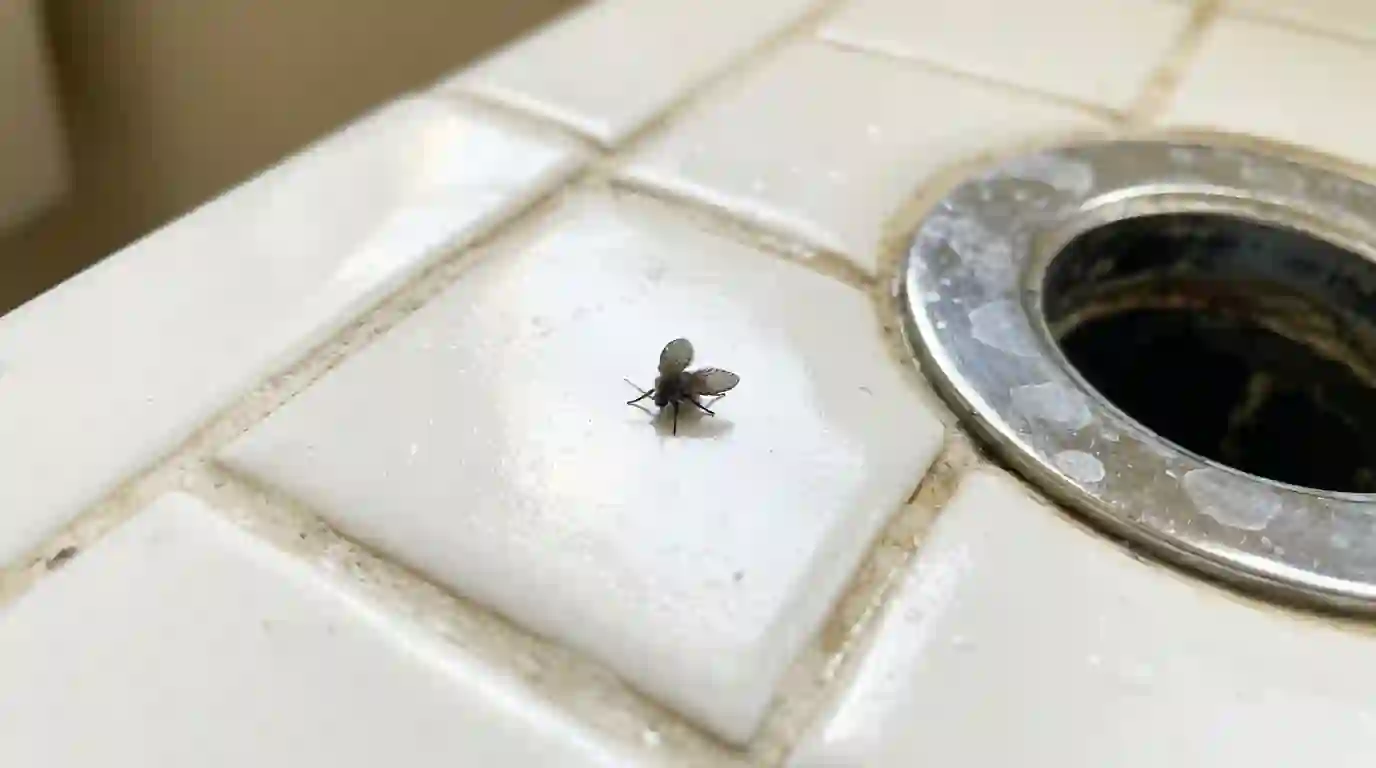
Swarmers near a bathroom or kitchen
Subterranean colonies often swarm from plumbing penetrations, where the slab is open to the soil.
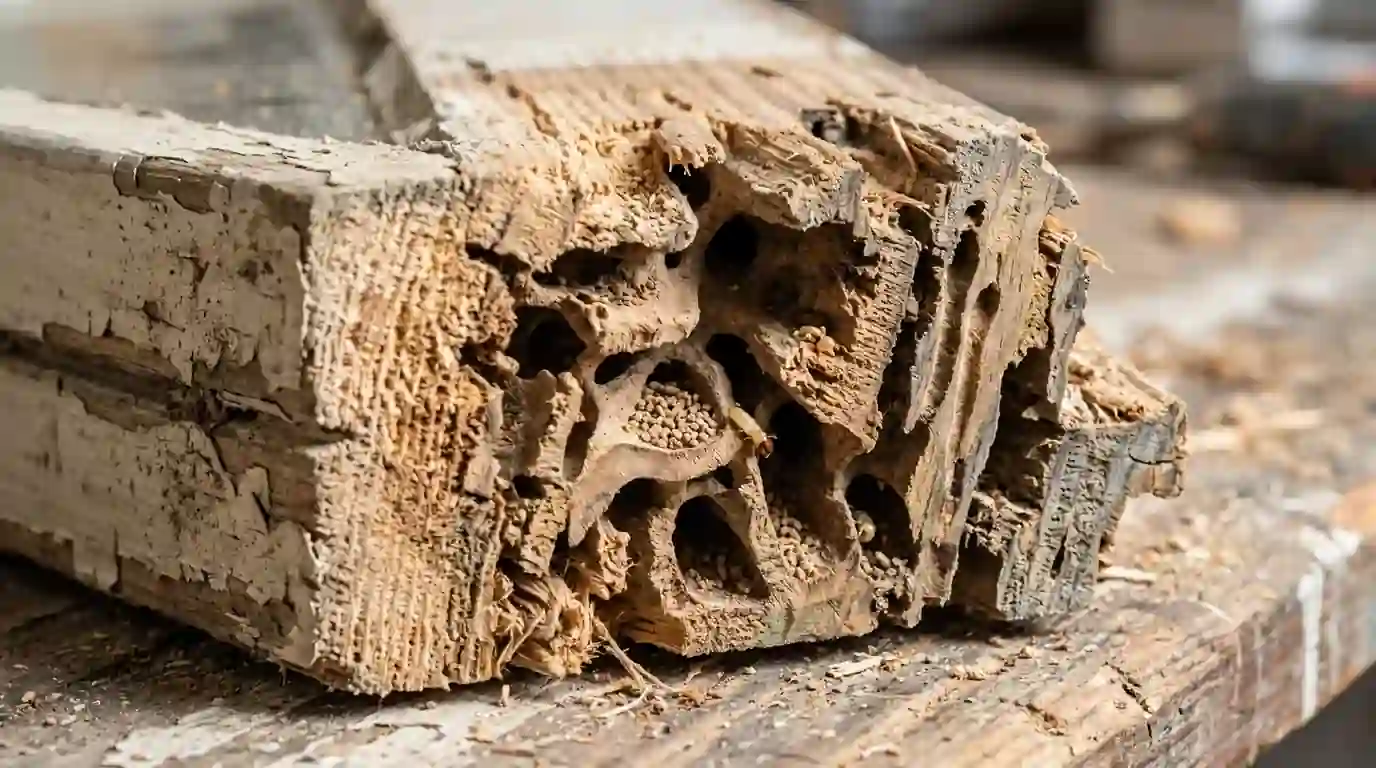
Damage that follows the grain
Subterranean termites hollow wood along the soft grain and pack it with soil; there are no dry pellets.
Wet soil against the house
Leaking irrigation or a downspout dumping against the wall creates the moisture these termites need.
How we handle subterranean termite treatment
- 01
Find the entry points
We locate active tubes, swarm sites and the conditions that are feeding them, such as leaks or mulch.
- 02
Exterior soil treatment
Trench along the foundation and treat the soil, drilling through hardscape that touches the house.
- 03
Interior spot work
Drill and treat at plumbing penetrations and slab cracks where termites came through.
- 04
Fix the moisture
We point out irrigation, gutter and grading fixes that keep the treated zone from being undermined.
What changes in Miami-Dade and Broward homes
Miami homes sit on sandy soil over limestone, which drains fast but stays damp where sprinklers overspray. Many of the subterranean jobs we see in Kendall, Westchester and Miami Lakes start at a planter bed against the wall or a patio slab poured right up to the house. Pavers and decorative rock make the work slower because they have to be lifted or drilled.
If you have both kinds of termites, which is common here, the order matters. We usually do soil work and tenting as separate jobs scheduled close together, and we explain which one protects what so you are not paying for overlap.
Before and after the visit
- Clear stored items away from interior walls where we will drill, especially in the garage.
- Turn off irrigation zones near the house for two days before and after treatment.
- Let us know where water and electrical lines run under patios or driveways if you have plans.
- Move potted plants and planters off the slab edge.
What it typically costs
Questions about subterranean termite treatment
How long does a soil treatment last?
Labels for current non-repellent termiticides list long protection periods under normal conditions, but landscaping changes, new patios and heavy irrigation can disturb the treated zone. Annual inspections catch that.
Is it safe for kids and pets?
Treatment goes into the soil and into drilled holes that are sealed. Keep kids and pets away from the work area until the soil has dried, usually the same day.
Should I choose liquid treatment or bait stations?
Liquid works fast and protects right away. Bait stations take longer but involve no trenching or drilling. We explain both and quote both if you want to compare.
Do I need to treat if I only saw one mud tube?
One active tube means foragers have reached the house. The colony behind it is usually large, so it is worth treating rather than waiting for damage to show.
Where we do this work
Our technicians handle subterranean termite treatment across Miami-Dade, Broward and Boca Raton. A few of the places we work most: